Mens Fashion on a Budget 2018
If you lot're looking for the golden age of men's manner, you don't have to wait farther than the 1920s. This decade was a time when fashion took a turn from the bourgeois, former styles into a new era of mode.
Although the early 20s didn't encounter much in the way of new fashions, when you retrieve of the dapper suits and dresses of the 20s, many of those styles were products of the subsequently office of the decade.
Regardless, many of the nigh popular men'southward manner styles today are still modeled from the style of that decade.
Fashion to that signal had been some of the same suit styles over and over, with no casual clothing anywhere to be found. The 20s saw many radical arrange styles also equally the introduction of coincidental and sporty dress for men. The formality of wearing apparel lessened, and clothing encompassed more choice and more fashion forward options.
If you are looking to up your mode game, you can't go incorrect with mastering 1920s style. It was an effortless, swish era of men'south fashion that paved the way for many of our more mod styles. And so permit's start from the summit.
1. Dress shirts
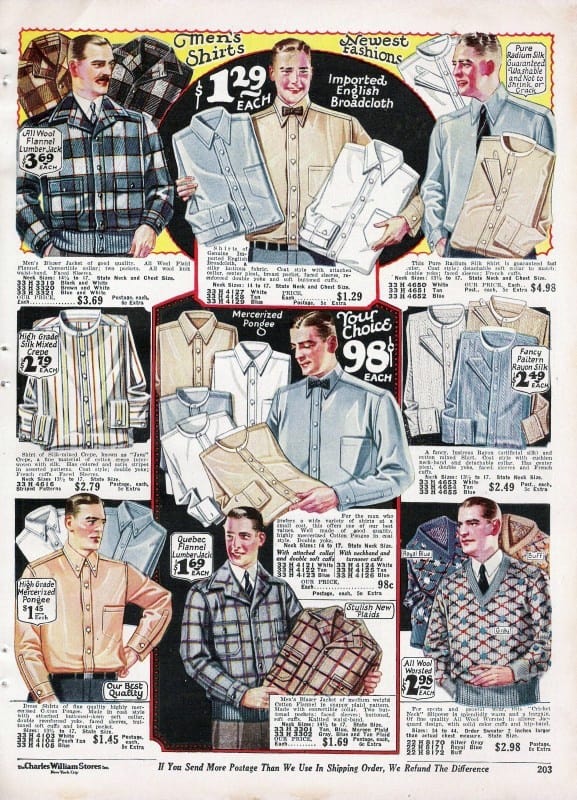
The dress shirt is an essential staple of 1920s men'due south fashion. Tall, white detachable collars reigned king in the world of fashion thanks to their ease of laundering.
In the mid-1920s attached collars became the preferred standard. Attached collars offered a softer feel in comparison to the rigid and uncomfortable nature of detachable collars. For inspiration, see Nucky Thompson from the Television set evidence Boardwalk Empire.
Neckband styles at the fourth dimension included both round border social club, spread and pointed. Though, you should know that spread collars were greatly influence by the introduction of the wide Windsor tie knot. Soft betoken was reserved for button downward shirts. Fly tip collars were a common sight amount even wearing with bent over points to allow for bow ties.
Shirt cuffs included French and double.
Collar pins which were quite pop during the 1920s, were placed through eyelet holes.
See the all-time dress shirts for men here.
2. Hats
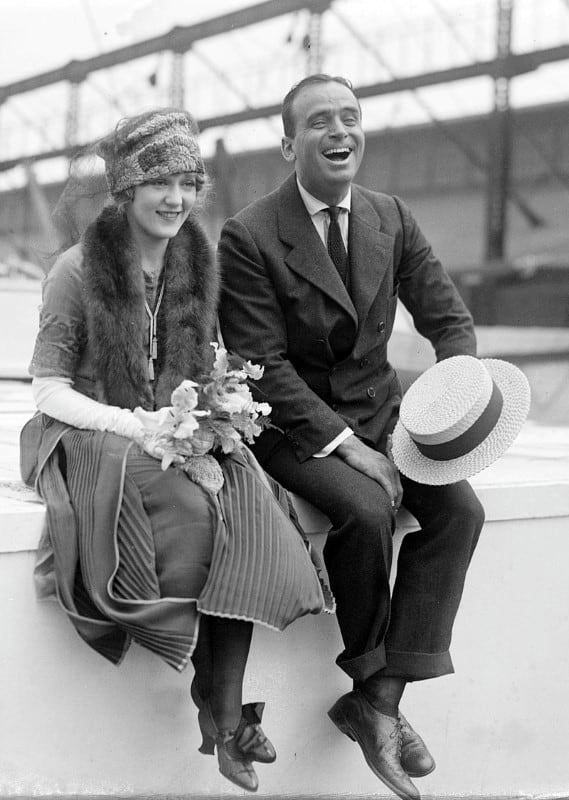
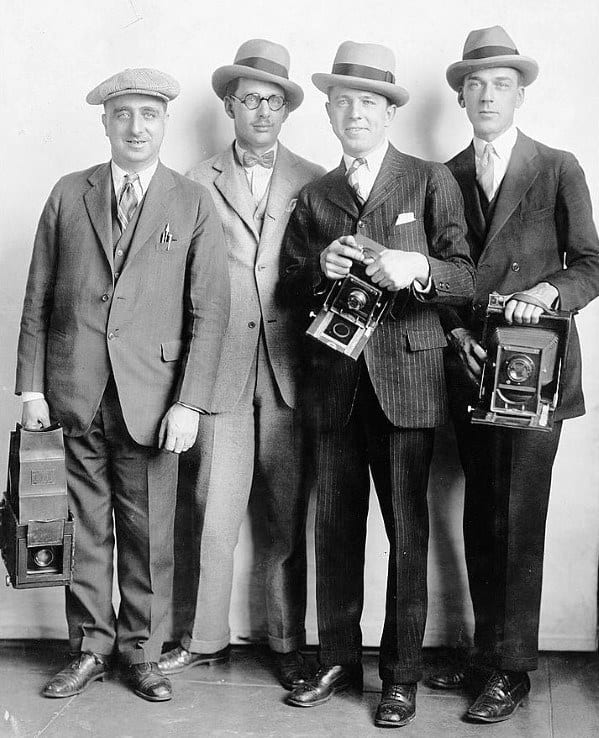

Upper Class: Tiptop hat and homburg chapeau.
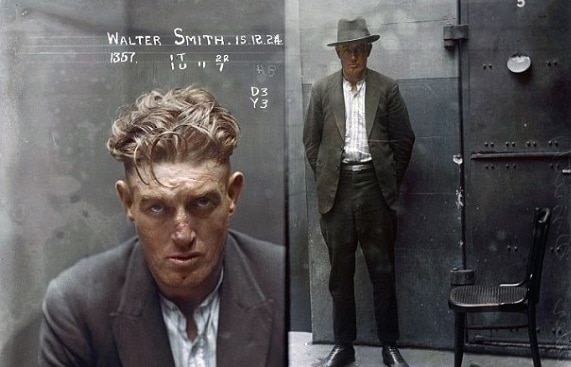
Middle Class: Bowler Hat, trilby hat, and fedora.
Summer (Middle and upper class): Straw boater
Working-Form: Flat cap and newsboy cap.
Hats in the 20s depended largely on which class yous belonged to. Remember the movies well-nigh page boys and factory workers from that time? Working class men wore the "page male child" style hats, called newsboy caps or flat caps.
If you were solidly middle form, you would have endemic a fedora hat. Those fedoras were holdovers from the gangster styles, working grade or middle class men coming into sudden coin, but keeping the style associated with their own form.
Fedora manner was likewise accompanied by bowler hats, another 20s pic staple. These ubiquitous styles belonged to fashion witting heart class fellows, looking to milk shake upward fashion. It was the first time that middle class citizens were able to use material appurtenances to express who they were. Fashion became a statement for the outset time for regular people.
During summer vacations, yous would wear a straw hat.
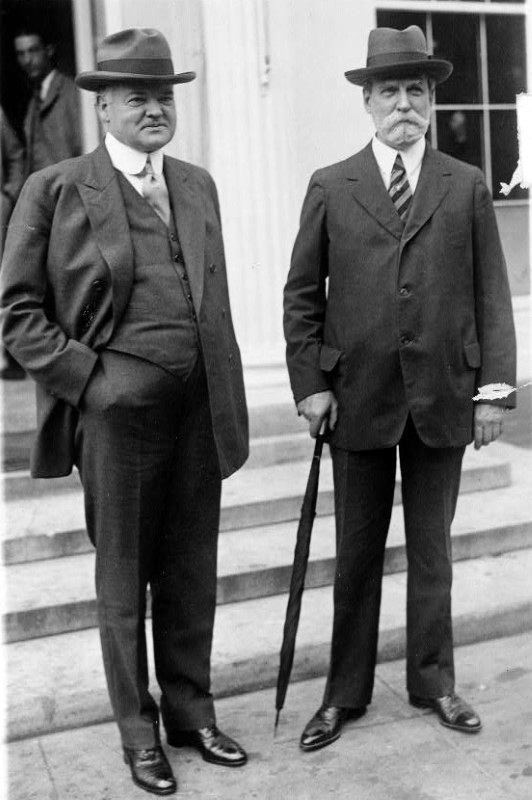
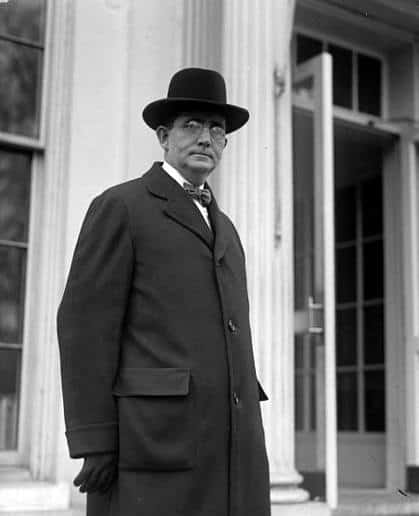
If you were upper class, you retained the top hat style. Another type of upper grade hat is something chosen a Homburg, a felt chapeau with a single crease at the crown and a rolled edge. If yous look at pictures of past presidents, a few wore this fashion even upward to the 1950s.
Regardless of style, the one common denominator is wearing a lid. Mastering 20s style is essential to bringing back the class and dignity of that era of dress. Although hats take fallen out of favor in contempo years, wearing a well-fitting, well-fabricated lid will make or suspension your look.
3. Suits
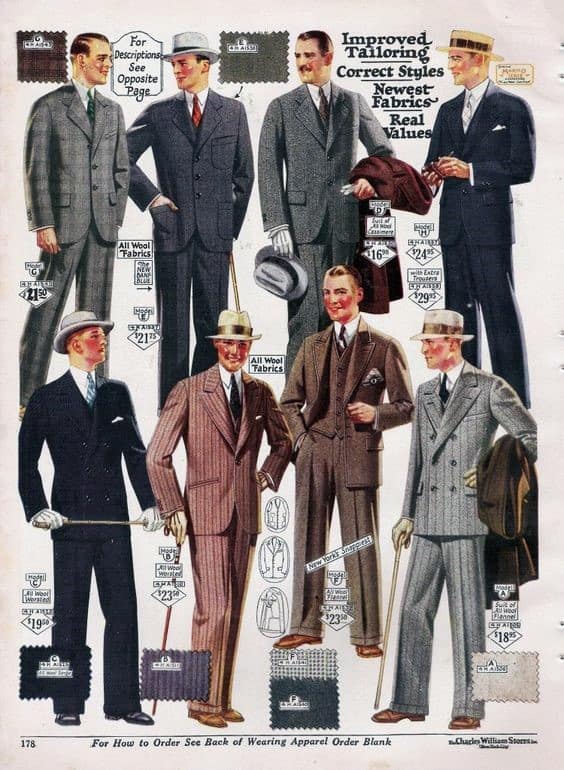
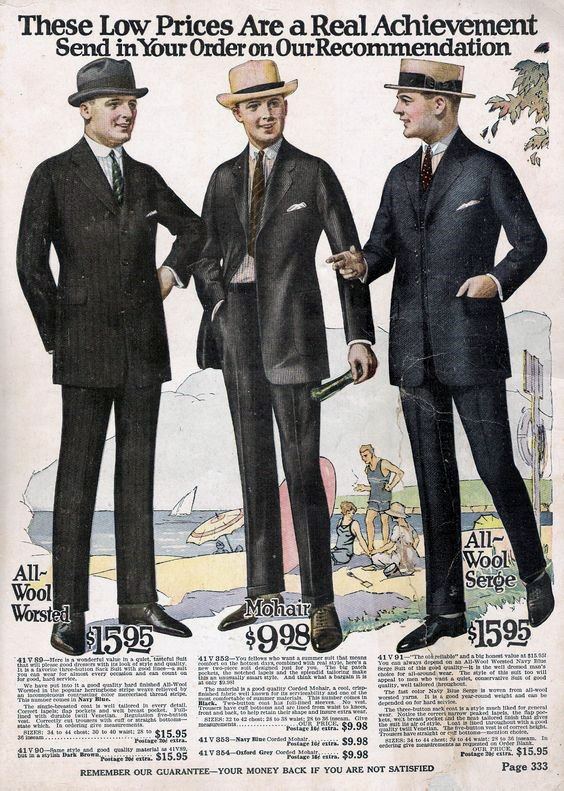

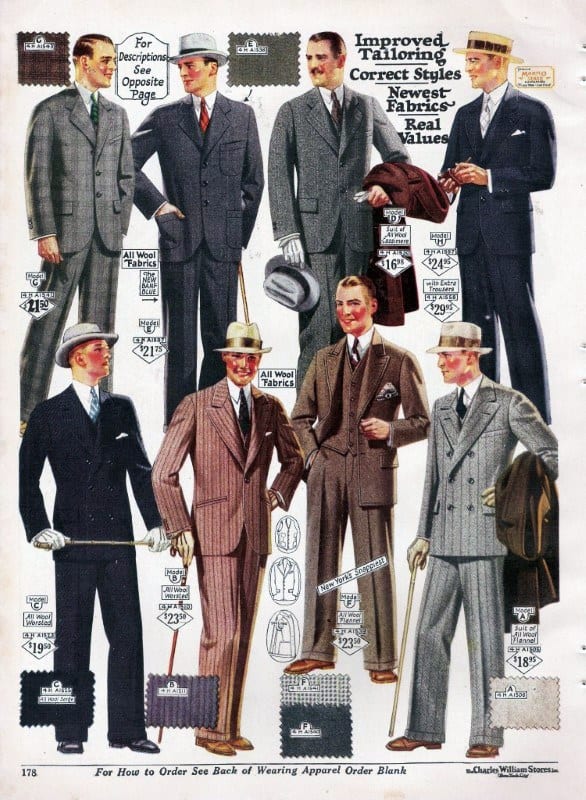
Heed close: another undercover to mastering the style and grace of 20s fashion is the suit. Men'due south fashion today is a combination of able-bodied habiliment and ill fitting jeans. You demand to step far abroad from such casual menswear and begin to take pride in your suit fittings.
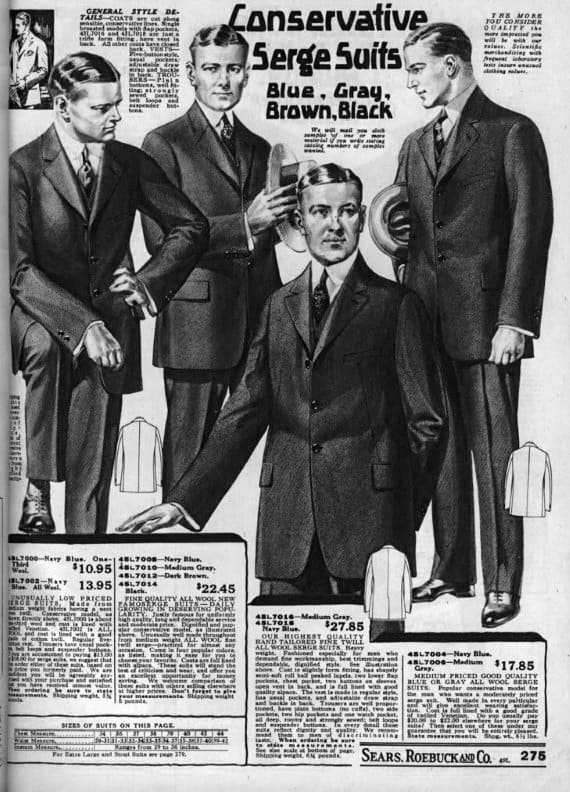
Suits were a central role of the 20s human's fashion. Although it retained some of the archetype fashion of the past, changes in cutting and fabric lent information technology a modernistic, jazz-historic period flair. 1920s suits have influenced menswear ever since, from the 1940s zoot suit to tighter-plumbing fixtures modern styles.
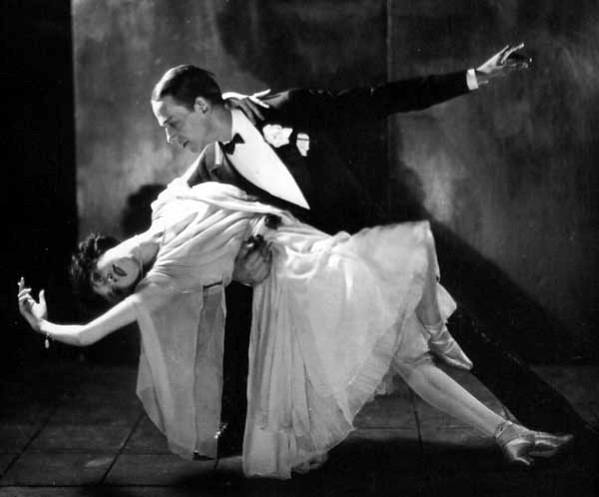
Formal suits still came in black as the standard color. However, the long tails of previous decades were replaced with the tuxedo, and well-nigh men wore a well-baked white shirt underneath.
Overall, formality still ruled men's way. Though more casual styles began appearing, the formality of previous decades carried over.
Lighter colors for formal suits denoted the wearer's social status. Lighter colors, such as nudes and white, were favored by the wealthy. Wearing colors that could easily be stained suggested that the wearer's bank account could handle ruining such textile.
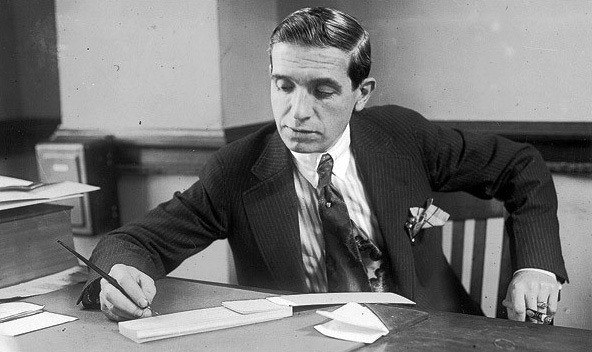
Pinstripes were as well common. White collar workers often wore pinstripes as a sign of financial status.
The material and the fit prepare apart suit style from that time period. Before, suits were heavy, uncomfortable things from fabrics that were expensive and difficult to make clean. Although suits now are far more comfortable than those of the 20s, the suits from that decade were a huge improvement in terms of fabric and fit.
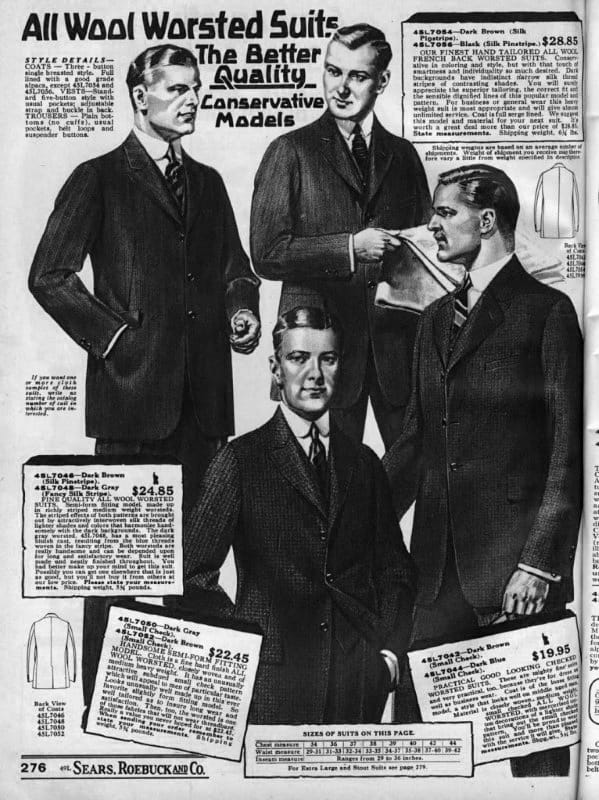
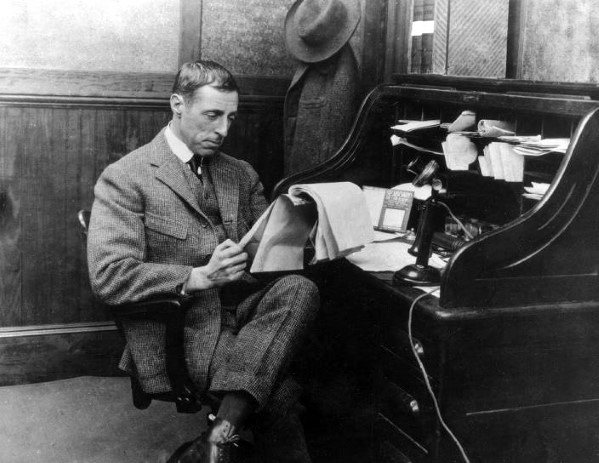
Suits of the 20s were made of wool or a tweed blend. Though yous might exist dying thinking of wearing a wool suit now, this was a more comfortable material than what men had to choose from dorsum then.
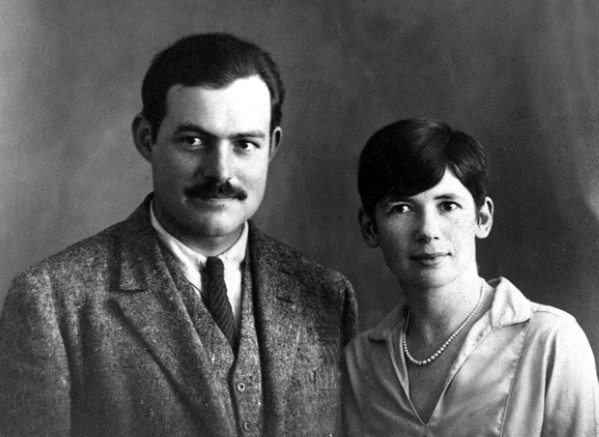
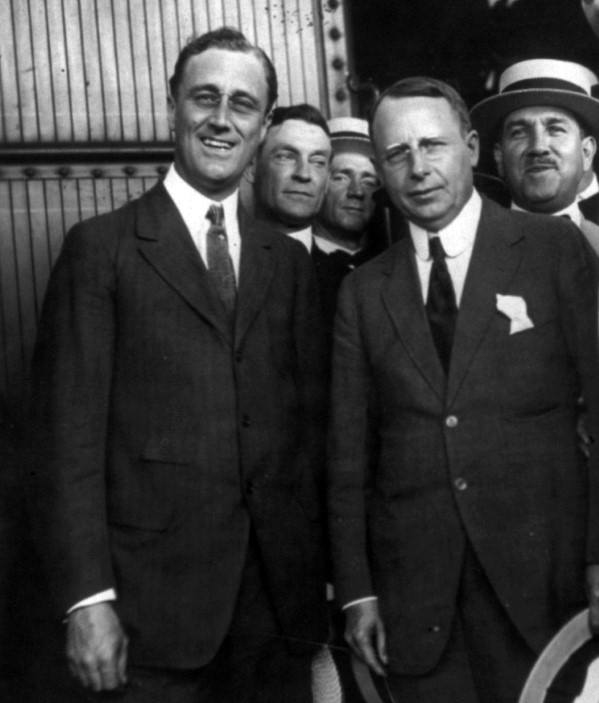
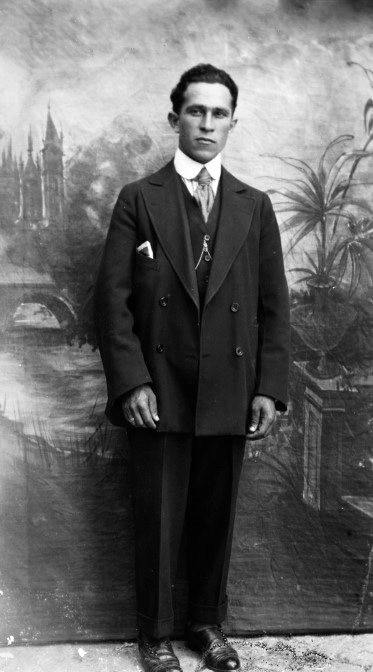
Adjust jackets were single or double breasted. Suits fabricated before in the decade favored a slim, fitted style, while suits from later in the period adopted the boxy style most commonly seen in gangster pictures.
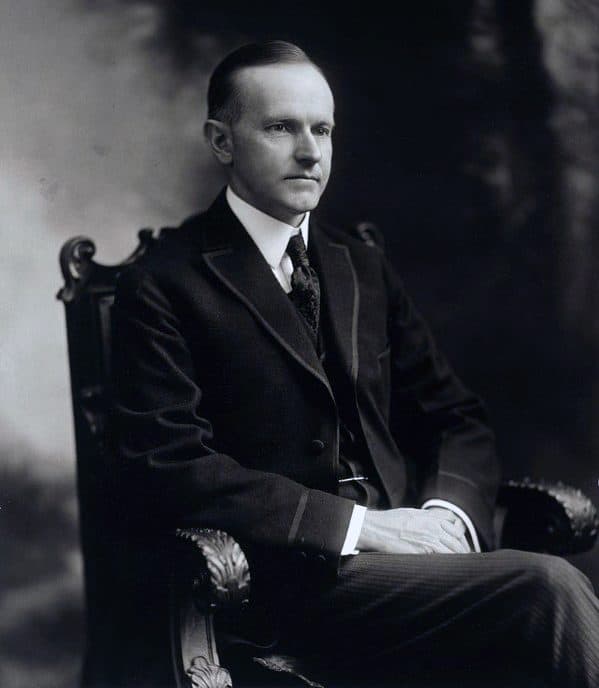
If you lot look at adjust lapels, even this small detail represented a divergence from styles of previous eras. There were three or four buttons, and the lapels began above the buttons effectually the center of the chest. This type of loftier lapel was quite different than jacket styles before the 20s, in which lapels came farther down around the abdomen area.
The lapel also featured a single push button hole towards the superlative meant to concord a flower arrangement, known as a boutonnière.
Patterns were another popular characteristic of suits. If you remember the style of barbershop quartets, the checked and striped wait is quite similar to what men were wearing and then. Solid colors included browns and greens, and colors on the cool side, dejection and grays.
Add a pocket square to brand your adjust more customized.
iv. Coats
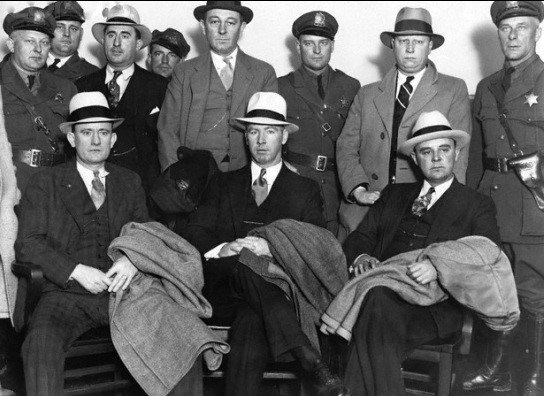

Common cold atmospheric condition dictated an overcoat. This type of coat reached well below the knee and was made of thick material such as wool. Information technology was meant to exist worn over the entire suit.
They featured several deep inner pockets, and the outer material was very heavy. In that location wasn't much need for lining.
Some other fashion trend at this time was the leather jacket. Leather jacket styles featured both fur collars and plain. They also had pockets and buttoned up the forepart. At times, a congenital-in belt wrapped effectually the waist. Unlike overcoats, they usually had a lining, typically fur.
A major trend of the time among ivy-league college students was wearing thick, full-length wearing raccoon fur coats. The fad was brusk lived, but it would later become a staple to Jazz Age era of manner. In 1928, George Olsen recorded a song with lyrics covering the trend; it was titled, "Doin' the Raccoon."
The cost for a luxury raccoon jacket back then was around three to 4-hundred dollars. In today's times with inflation, the toll would be around 4-grand. Perhaps y'all tin can run into why the trend of these fur coats was so popular. Their opulent price tag made them extremely desirable.
5. Vests

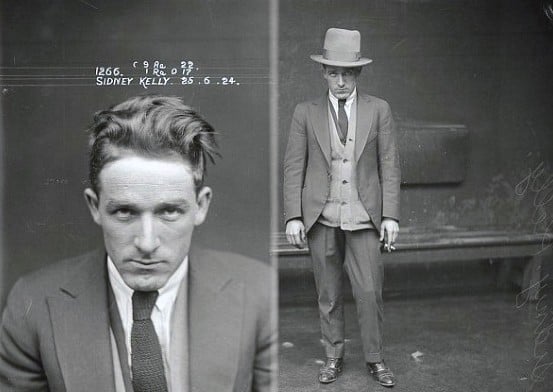
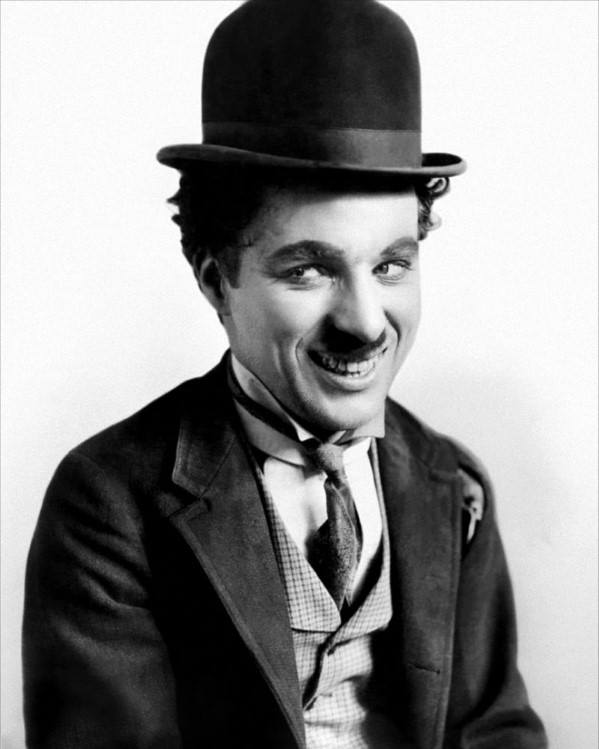
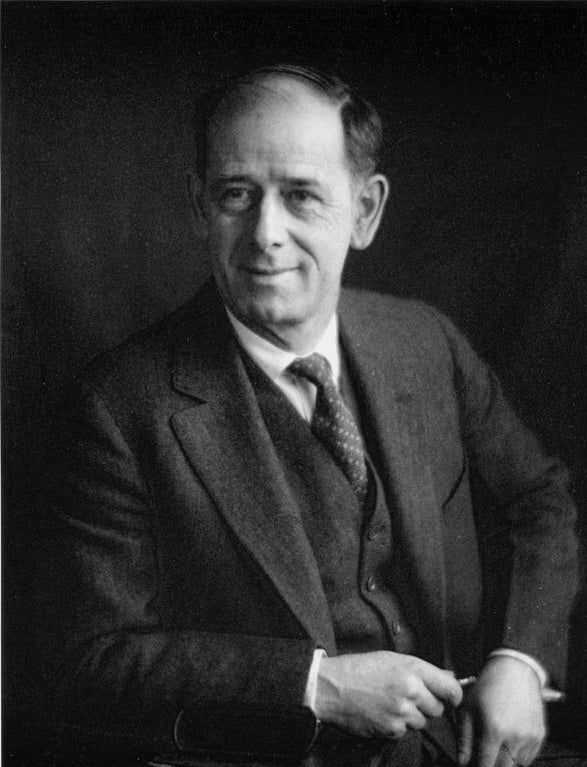
Function of the wait of the 20s suit is achieved past wearing a vest. Vests aren't as popular at present, only they were essential to the overall twenties style. Vests streamlined the middle of the body and highlighted the high lapel that was and then in fashion.
Men would have a double breasted vest that came upward high and fit snug. They would wear this with a single breasted jacket. This was a specially common wait among immature men influenced by the styles of the modernistic art movement.
6. Pants
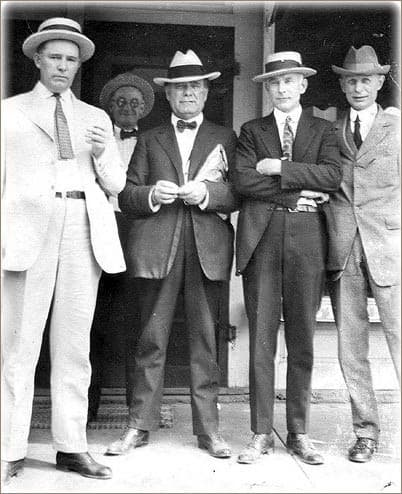

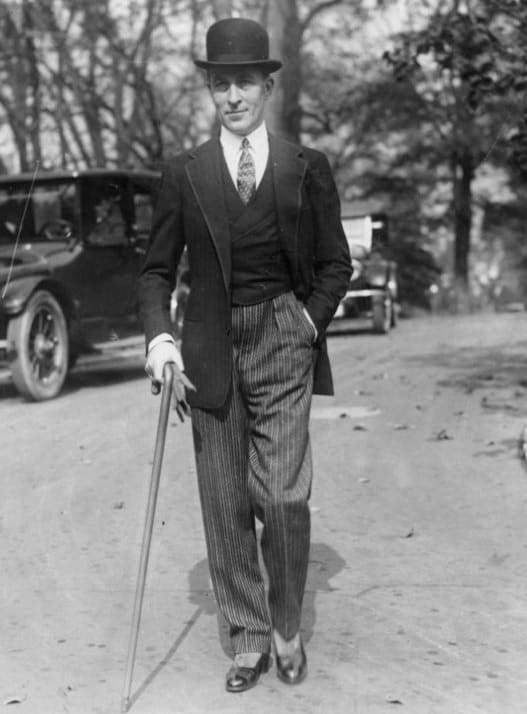
The twenties was a fourth dimension of great variety for pant styles. Both straight and wide-legged pants were common, and for pants of a traditional length it was common to run into "plough-ups." This was seen in a wide bottom cuff, literally "turned up" from the lesser of the pant hem. The waist band came far higher than the wearer's natural waist.
Another type of trouser commonly associated with the 20s were knickerbockers. These were baggy trousers worn in casual settings such as for golf or other sports. The knees were gathered, and they were typically worn with some kind of vivid sock.
An adjunct of knickerbockers was a style chosen "plus-fours." These were the same loose-fitting, gathered at the knee style, but they reached about 4 inches farther down beneath the knee. Popular with golfers, they allowed for more than liberty of movement when playing the sport. "Plus twos" were as well bachelor.
Overall, American way preferred baggier trouser styles, whether total length or the shortened knickerbockers. Men in the workplace had no demand for coincidental golfing mode, but they still preferred baggier full length trousers. These had plenty of material through the hip and thigh.
Many institutions banned plus fours and knickerbockers in an effort to reign in the coincidental styles of fashion. Although famous universities like Oxford required long pants, and knickerbockers didn't survive to present times, the advent of more casual men'southward fashion couldn't be prevented.
Even the colors became brighter and more coincidental. Previously, solid or muted colors were most of the choices for men, but with the popularity of sports styles, patterns like stripes and checks also equally lighter colors became popular. This was attributed to the rise of the middle class, and the affluence of society in the post World War I age.
7. Shoes
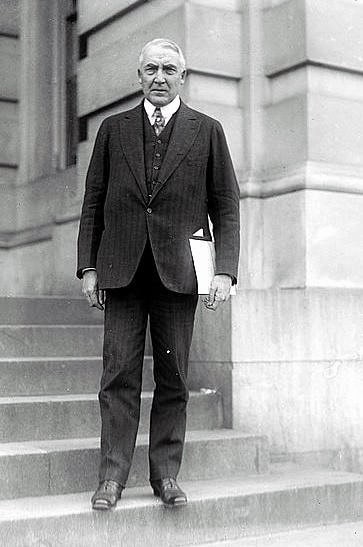
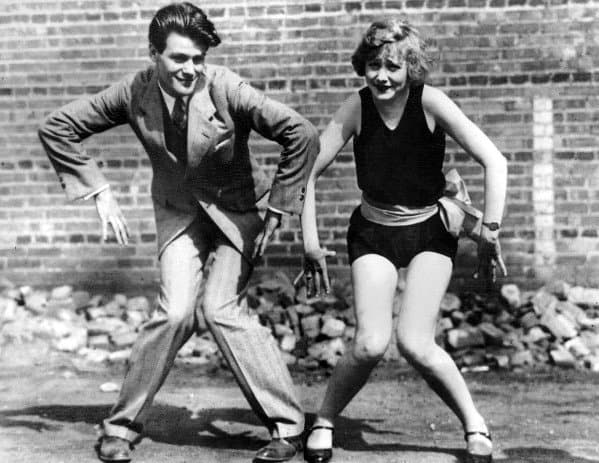
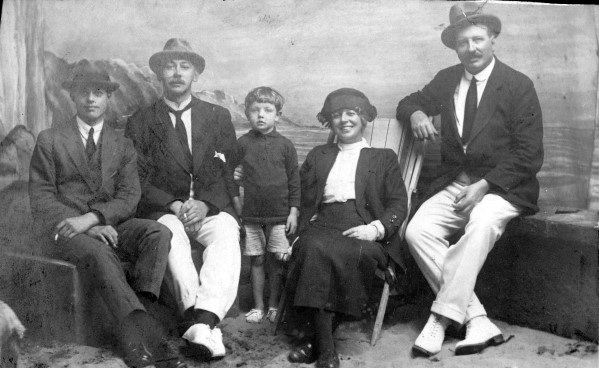
One huge modify that happened in the 20s was the emergence of color in shoes. Previous styles had been single colour shoes, but in the 20s nosotros see the wingtip style so associated with the jazz age.
They were a footling more casual than previous decades' single color spats, just they introduced flair into men's footwear. Shoes could be two tone, with white and dark-brown or blackness existence the most pop colors.
Wingtips fabricated an entrance. Although patent leather was still the only formal style shoe available, men began to wear this style with a perforated flap over the lace. This lent shoes an air of artsy design, and signaled that a man was role of the jazz historic period.
8. Driving Clothes Style
With cars becoming more popular, and more affordable, information technology was merely fitting that fashion would reflect a particular fascination with the car. Buying a car meant being part of modern times, and the fashion industry was quick to step in.
Vesture created specifically for driving included flat tweed caps, meant to hug the head shut and stay on even when driving with an open superlative. They as well wore driving gloves, hold overs from riding gloves, but vented for comfort.
This was also the perfect time for men to clothing the new leather jackets made fashionable by Charles Lindbergh. They oftentimes included a white scarf as an accessory.
9. Athletic Influence
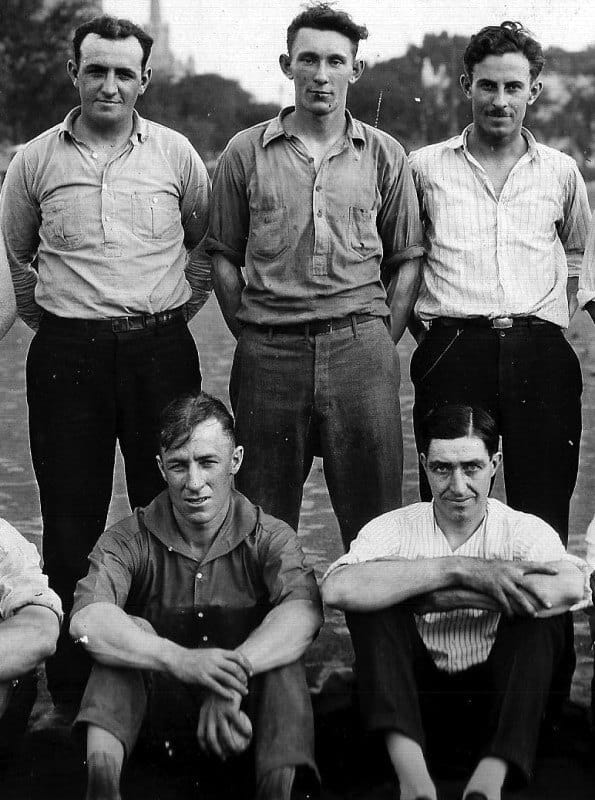
Previous to the 1920s, men's fashion was impossibly formal, oftentimes requiring several changes per day as formal rules dictated.
The 20s saw some relaxation of formal dress rules for the upper and middle class. The influence of sports and the rise of sports stars caused some coincidental changes in the men's fashion of the day.
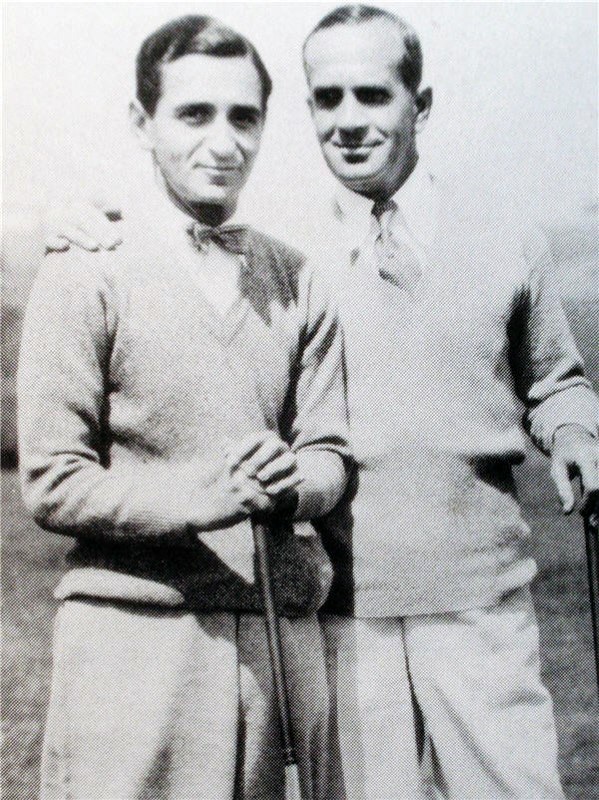
Golf had a detail impact on men'southward fashion. This style was influenced past the required uniforms of sports stars. This included sweaters in clean colors such as white or navy, and cable knits.
For casual pants, men paired these sweaters and knit shirts with the knickerbockers or plus-fours mentioned above.
A note on plus fours: The style popular amidst male golfers of the 1920s, allowed for easier movements on the course. They featured a iv-inch lower driblet below the knees in comparison to knickerbockers. Players wore them alongside argyle socks, which featured a classic diamond blueprint. Gentlemen also paired the await with apparel shirts, sweaters and silk neckties.
The coincidental and loosely fitting style came most after Edward, Prince of Wales fabricated a diplomatic trip to America in 1924.
x. Hairstyles
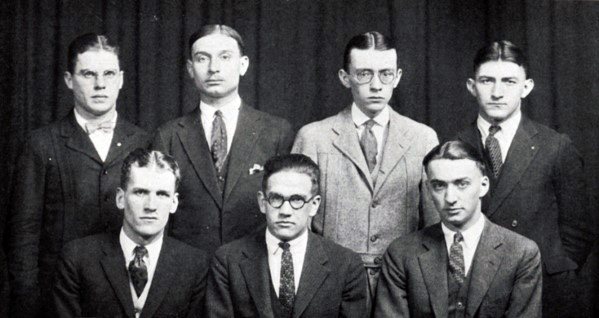
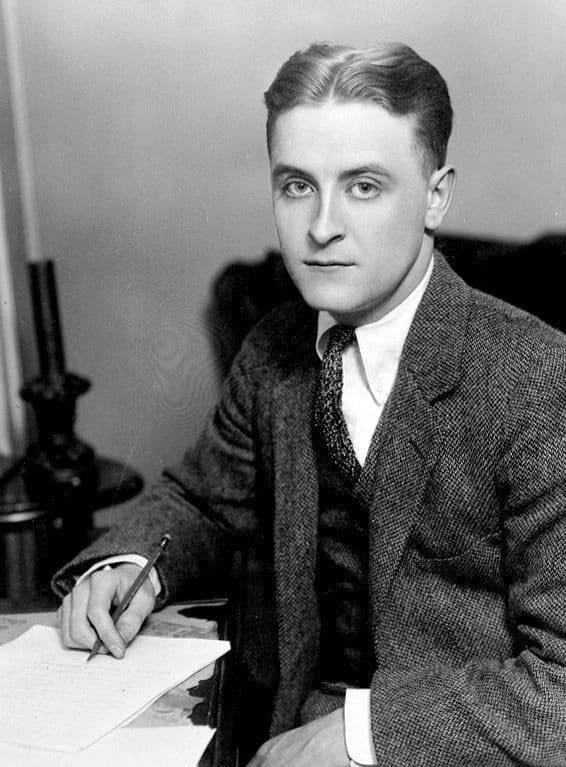

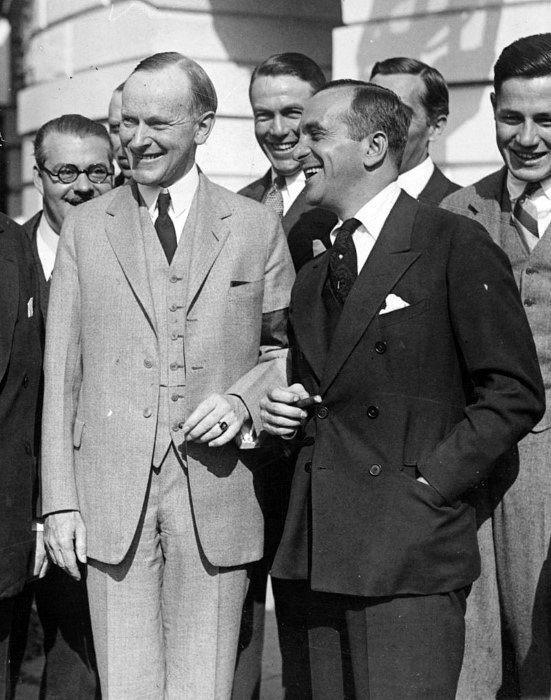
Fashion wouldn't exist mode if we didn't mention hair. Clean, close shaven looks dominated the 20s, and hair was even so widely influenced by military machine style.
Men usually wore their hair parted to the side with some kind of pomade to agree it in place. The pomades made the hair glossy, and the hair stayed slicked.
eleven. Accessories
Aside from hats, which were required in fashion, other accessories included suspenders in brighter colors, and effectually this time waist belts became more popular. As pants slimmed, men preferred these belts to hold them in place.
Other accessories were round framed glasses and sunglasses. Often worn while driving, men frequently paired them with straw hats for driving style.
For more formal wear, and for some of the upper class, bow ties were the ruling fashion. Men combined this way with pocket squares that lent a pop of color.
Men could also vesture skinny knit ties in add-on to the bow tie. This new style was more casual, and occasions that required semi-formal wear were perfect for this accessory.
12. Swimwear
Like women'south fashion, men's swimwear style slimmed downward to make swimming easier. It featured larger arm holes for ease of movement. They were mostly two pieces, a pair of shorts and a longer tank top that came down but above the terminate of the shorts.
Sleeves were removed to let more liberty of movement, and as the decade progressed, information technology became more common to come across slim, sleeveless swim costumes.
In the later 20s, the shirt was shortened, and was usually worn with belted shorts. This was shocking at showtime, but professional swimmers wore this way until it became more common for everyone.
13. Modernizing These Styles
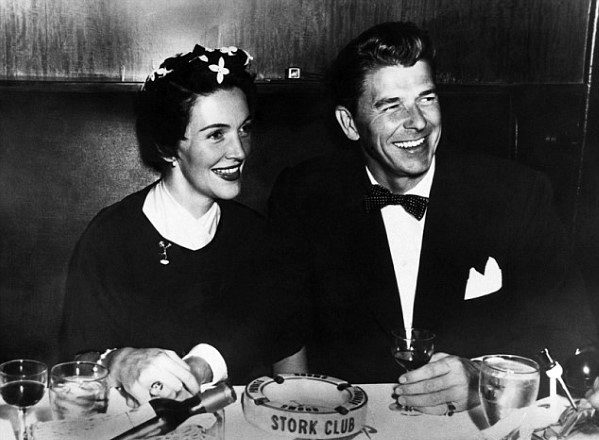








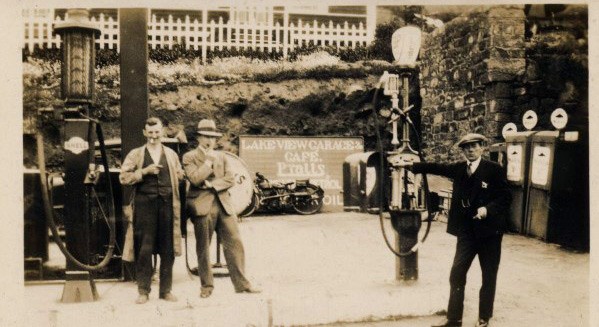
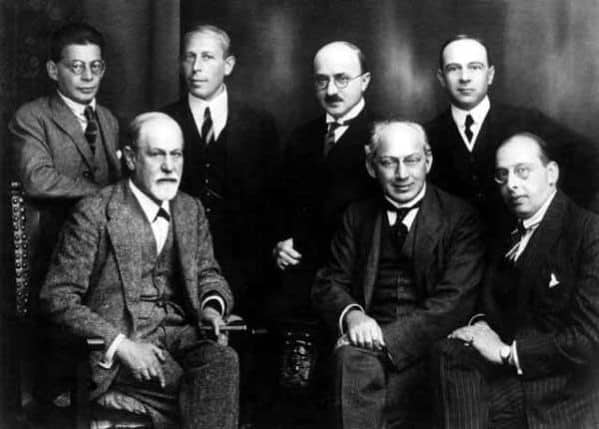

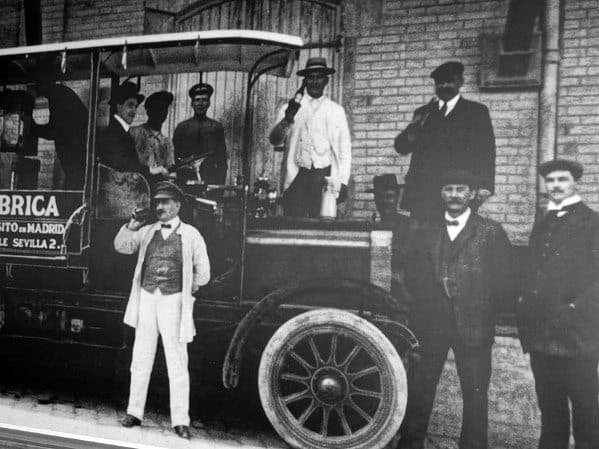
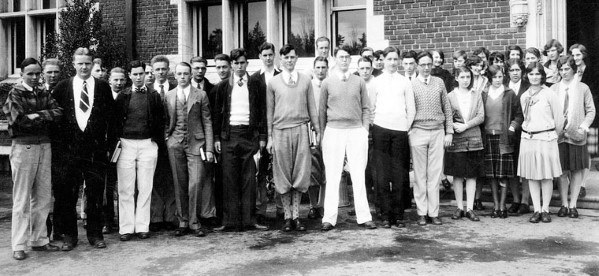





The 20s remain the hallmark of modern men'due south fashion. Many of the adjust styles seen today still reflect the changes made during this time period. Yous don't have to buy vintage clothing to take advantage of the manner.
Keep in mind clean looks in all aspects, hair downwardly to the shoes. Consider ownership a well-made, and well fitting hat. Make certain that your shoes are well maintained, and that your suit has at least three pieces, jacket, vest, and trousers. You but tin't go wrong.
1920s men'southward manner all the same looks great today. You lot could apply this style for formal occasions or for an eye-catching Halloween costume!

Brian Cornwell founded Next Luxury in 2007 as a magazine for modern gentlemen.
Brian Cornwell founded Next Luxury in 2007 as a magazine for mod gentlemen.
0 Response to "Mens Fashion on a Budget 2018"
Post a Comment